Agricultural Fairs

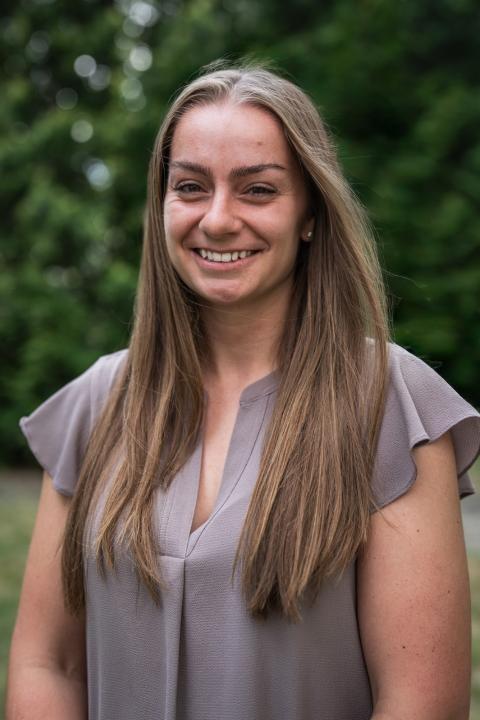
Hannah Majewski, 4-H Animal Science Field Specialist
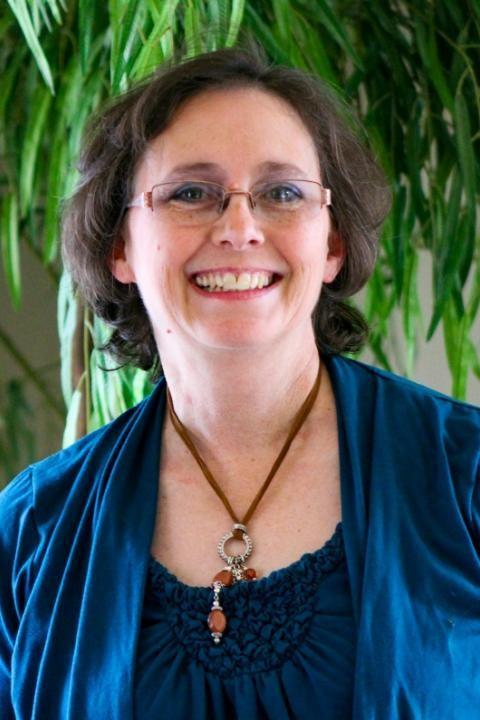
Janell George, Rockingham County 4-H Program Assistant and NH State Fairs Liaison
Kendall and Rebecca discuss the significance of agricultural fairs in New Hampshire with 4-H staff Hannah Majewski and Janell George, highlighting the educational and community aspects of fairs where 4-H members showcase their projects and learn valuable skills.
Show notes:
Janell George, Rockingham County 4-H Program Assistant and NH State Fairs Liaison - Janell.george@unh.edu
Hannah Majewski, NH 4-H Animal Science Field Specialist
The Big E Fair - https://www.thebige.com/
Vermont and New Hampshire Fair Association – vtnhfairs.org
List of New Hampshire Fairs - https://www.vtnhfairs.org/copy-of-fairs-1
Farm, Forest and Garden Expo - https://www.nhfarmandforestexpo.org/
NH Sheep and Wool Festival - https://nhswga.org/nh-sheep-wool-festival/
New Hampshire 4-H - https://extension.unh.edu/new-hampshire-4-h
4-H Pledge:
"I pledge my head to clearer thinking, my heart to greater loyalty, my hands to larger service, and my health to better living, for my club, my community, my country, and my world."
UNH Cooperative Extension: www.extension.unh.edu
Women in Ag Newsletter signup - https://unhoutreach.tfaforms.net/217751?CID=701G0000001AiKCIA0
Kendall Kunelius – kendall.kunelius@unh.edu
Rebecca Dube – rebecca.dube@unh.edu
Transcript:
Kendall Kunelius 00:09
Welcome to this episode of Shared Soil, a podcast dedicated to creating community, honoring challenges, and encouraging personal and professional growth for all people in agriculture. My name is Kendall Kunelius, and I'm a field specialist in the area of agricultural business management.
Rebecca Dube 00:25
And I'm Rebecca Dube, providing administrative and technology support to Extension. And Kendall, it's fair season again! Oh, my favorite time of year. You know, agricultural fairs are such an essential part of life in New Hampshire. They happen throughout the state and are a huge draw each year. When the days get long and the harvest begins, the crowds arrive again and again to immerse themselves in the sights, smells, and sounds of local agriculture.
Kendall Kunelius 00:56
For sure, you know it's kind of funny, Rebecca. I've actually been to a lot of fairs, but I've never really seen the ag side of it. When I was competing professionally in timber sports, fairs were like our bread and butter. There's so many ag fairs in New England, all over New England. But I'm so curious to like get into our episodes here today and meet our guests because they're gonna tell us what I missed visiting all those fairs and the things I should have seen and the animals I could have pet, because that's my favorite part of the fair.
Rebecca Dube 01:24
Well, I definitely sought out the animals when I went to any fair. And you know, 4-H has been and continues to be a key player in agricultural fairs. So today we're talking with Hannah Majewski, New Hampshire 4-H Animal Science Field Specialist, and Janelle George, 4-H program assistant for Rockingham County and Hillsborough County Fair Board member, Hannah. Let's start with you. Can you tell us a little bit about your role in New Hampshire's 4-H programs?
Hannah Majewski 01:51
Yeah. So thanks for having me today. I am a lifelong 4-Her. I actually grew up showing beef and dairy cattle in Cheshire County 4-H. So the fair is basically like a second home to me, and then now in my role with Extension. Like you said, I'm the 4-H Animal Science Field Specialist, so I get to work in our state office and I do all things animals. And so a lot of that this time of year is helping our 4-H members and volunteers get prepared for the fair, and then those steps that come even after our New Hampshire County fairs, like opportunities like the Big E or Eastern National 4-H Horse Roundup. So this is one of my favorite times of year in 4-H, and I'm really lucky that it's my job.
Rebecca Dube 02:28
Nice. Well, Janelle, I know you've been working with 4-H for practically your whole life and have been very active in the fairs for years. So can you tell us a bit about what you do and how your role in the fairs has grown over the years?
Janell George 02:41
Yes. Well, as you said, I am a 4-H program assistant. I currently work with Rockingham County 4-H, but I also work statewide in all areas of 4-H when I'm asked. I grew up in 4-H, so I've been attending fairs my entire life. My first introduction to New Hampshire Fairs was over 20 years ago when I was working with Hillsborough County 4-H, and I was sent to the Hillsborough County Agricultural Fair to be the 4-H staff person overseeing the exhibits. I have been serving on the New Hampshire State Association of Fairs and Festivals for about 10 years as a representative first for the Hillsborough Fair, and now as a liaison, which gives the 4-H programs more direct contact with the state association, and it helps state association members who are actual directors of their fair associations a better understanding of what 4-H program is, and that it is bigger than just a few youth who exhibit at their local fairs. Currently, I'm active with Stratham Summerfest, formerly known as the Stratham Fair. I'm also with the Hillsborough County Ag Fair, the Deerfield Fair, and I act as a support person for my Extension 4-H co-workers on their fairs as well. So, fair is kind of in my blood. I guess it is my favorite time of year. There's a lot of work through the summer, but there's a lot of rewards, especially when you see the happy faces of the kids and the families that attend them.
Kendall Kunelius 04:15
Yeah, it's kind of funny, Hannah. When you were saying you're really lucky, this is your job, and I was thinking in my head, we're so lucky we have both of you doing these jobs because this is truly a piece of our - I'm gonna say New England culture, and I'm excited to hear more how it's part of our New Hampshire culture. But I also want to take a moment to recognize this is our first foray into 4-H programming on this podcast. So I'm gonna go a little off script here and ask you guys to just just really quickly, you know, what does 4-H mean to you. Because Janelle you just pointed out something really important: that 4-H isn't just the small box that we think it is. So I'm gonna open the floor, and say just in a few words what does it mean to you to be part of our 4-H program?
Hannah Majewski 04:57
I consider myself really lucky to be a part of the 4-H community. It sounds cheesy, but I truly think of myself, and I think Janelle as well, as people that bleed green. I did the program for 10 years, and you hear it all the time. My thing was animals, but you get so much more out of 4-H as well. I think 4-H is probably the reason why I'm not terrified to be speaking on this podcast. That I'm able to have public speaking skills. Yeah, that you get so many of those leadership opportunities that truly prepare you for your adult life. But in my case too, I found my passion for animals and agriculture through 4-H. That's what led me to pursue my degree in animal science. I still I call myself an overgrown 4-Her because I still show dairy cattle as like, in an adult life. So for me, like I've thought about it before. I really don't know where I'd be if I didn't get my start in 4-H. And so part of why I'm lucky to be in this job is that I'm able to help give those same opportunities to the 4-H members that we see today and grow them up through the program and see all the amazing things they're going to accomplish.
Janell George 06:05
Basically, she said it all. 4-H just encompasses so much more than just a small community club. You meet so many people from different backgrounds and different places, and there are opportunities that are much bigger than your local community clubs. Public speaking practice is probably one of the biggest recognizable aspects of 4-H. Those of us who grew up in 4-H don't usually have a problem talking and getting up in front of people. It's a life experience. It's lifetime. I have friends that I met through 4-H from way back when I was a child. So it's more of a lifetime opportunity than just a certain blip in time while you're experiencing it.
Kendall Kunelius 06:54
Yeah, and I think what's great about it. So for folks who don't know, the 4-H, like the number four dash capital H stands for head, heart, hands, and health, and that's integrated into the logo. And the 4-Hpledge is actually really something that's near and dear to my heart. I love hearing it. Like going to Hannah, I'm thinking like the honors evenings when everyone recites it together, and it really helps you understand how your role, all of our roles in our communities fits into this very large picture. You know, I'm thinking of "I pledge my head to clear, thinking my heart to greater loyalty, my hands to larger service, and my health to better living." And then the piece I'm thinking of is for my club, my community, my country, and my world. And I think that pairing 4-H with our county fairs is really appropriate. And as we dig into this episode, I think there's going to be a really strong theme that comes out here, helping us understand how these individual county fairs are actually a huge contributor to the culture of agriculture in New Hampshire. So I wanted to take a second to kind of like sidebar and say this is a lot deeper than just the showing piece, this is the actual synthesis and continuation of the culture that 4-H provides New Hampshire. So on that note, how many fairs actually happen in New Hampshire? What designates this as an agricultural fair versus a county fair, or are they two different things, or are they the same thing? And how does this designation tie our farms into fair culture at large? That's a big meaty question, so either of you can dive into any piece of that that you'd like.
Janell George 08:30
Right now there are 10 actual fairs, plus there's the Farm and Forest Expo and the New Hampshire Sheep and Wool Festival. And all of these events are members of the New Hampshire Association of Fairs and Festivals. In New Hampshire, all the fairs and festivals have some agricultural representation, and this is by design. This is by history. There really isn't a difference between the term county fair and agricultural fair in New England, almost all of your fairs will have some agricultural component. It may not be a big piece of the fair. I know most people's perception of a fair is rides and games first and entertainment, but really when you dig into what a county fair is, the basis of a county fair is that the animals and the vegetables and and the maple syrup and what brought the original fair together. I think families go to county fairs to see animals.
Rebecca Dube 09:37
I sure do.
Janell George 09:38
Yeah, the children love the opportunity to get up close and possibly pet the animals. They like to climb up on tractors. They like to play in a hay pile; all those farmy things that may not be available to them on a daily basis. And the fairs give farmers and the average local citizen an opportunity to show off their skills, such as in growing vegetables and producing maple syrup or raising livestock. That's kind of the the basis of the county fair and the agricultural fair part of it.
Hannah Majewski 10:09
Yeah, I agree with everything you said. To me, I always am able to see both sides of the fair, like what the spectators and fairgoers go to see, and then what the exhibitors are there for as well. And I think I would agree with you that across New England, our fairs are very agricultural. And I think that goes back to New England agriculture, that we are fairly close with our farmers because they're smaller farms. They're your neighbors, so you're able to go to the fair and say like, "Oh, look, there's my neighbor from down the road that has their chickens. It's really cool that they entered their eggs here." You know, something like that. And then for the exhibitors as well, there's that feeling of like you're able to bring your best to the fair and exhibit your animals according to the industry standards and see how you're able to do. So it's a fun spot to be able to compete with your animals, and of course, there's a friendly competition with your neighbors as well. But there's, like Kendall said, there's this theme of community throughout the fairs, and going to the fair as an exhibitor and being there with your people to show off your animals or whatever products you have is something that I think a lot of people look forward to and cherish in New Hampshire.
Kendall Kunelius 11:16
I think one of the interesting things that I just am resonating with is this interesting tension between the idea of people coming to show off, like you're saying, Hannah, like sit on the tractors, look at all this, like what's moving forward with technology, like what are we seeing that's new and upcoming. And I'm thinking of how many people are submitting their grandmother's jam recipe or pickle recipe. I'm thinking of the 4-H exhibit hall with all the jams and preserves and everything. What I think is so fascinating about the fair idea is we're seeing this honor of things that have come from the past and coupling that with things that are coming forward in the future, and we honor the both and between the two, and I don't know if anyone wants to respond to that sort of sentiment, but agriculture has a way of honoring the past while still looking towards the future.
Hannah Majewski 12:09
Yeah, I think farmers are really good at remembering their roots and knowing what works and knowing where to expand. And I guess I hadn't thought of it the way that you just said it, Kendall. But you're so right that you can go to the fair, and there might be displays of tractors, the newest lawn mowers, the newest attachments that farmers may need. But you're right. Then you can go and see the exhibit halls, and I think you're right that some of it is the tried and trueness, and it's like a full spectrum of agriculture in one, and just how diverse and adaptable farmers can be.
Rebecca Dube 12:40
And we mentioned some of the different exhibits that 4-H has, but can you tell us what role 4-H really plays in these county fairs? How has it influenced the county fair model in New Hampshire?
Hannah Majewski 12:53
I think so. Like Janelle said, New Hampshire has 10 different county fairs that we consider for the summertime fair season, and we have 10 different counties in New Hampshire with 10 different 4-H program staff. So we're really lucky that we have close partnerships with the fair for a lot of the fairs, the building of them, gaining exhibitors, all the vendors. It is a true partnership between that county 4-H program and the county fair. So a lot of all fairs have a fair board, like Janelle said. She sits on the fair board, and they make a lot of the decisions. But they're always so good about bringing 4-H in because they know that 4-H is a key to having those exhibitors filling the exhibit hall in the barns. And not that it's just about filling the spaces, but they know that that's where the majority of their exhibitors come from. So I think we're lucky to be able to work really closely with our partners. And then the other thing I would add with that too, that I think is special to New Hampshire, is that we're a small-enough state. More or less, you can drive up and down the state in three, three and a half hours, depending on where you're coming from. A lot of our families go to at least five of the fairs, if not more of them, so they're able to also participate and see like all these different fairs. And they're all similar to an extent. But I think it's really special for our families that they're able to exhibit something like the Small Stratham Summer Fest on the seacoast of New Hampshire, and then also go up to the Lancaster Fair way up north in Coos County and experience different fairs of shapes and sizes. So our 4-H families have a really unique way of participating in the fairs. You hear about some of the bigger 4-H states, and those 4-H members they just go to their county fair for different reasons. And in New England, our families are, yeah they get a different experience than that, and get to go all over the place and see fairs and barns and animals of all shapes and sizes.
Rebecca Dube 14:47
What types of skills does showing at the agricultural fairs teach kids in in agriculture and farming?
Hannah Majewski 14:54
There's a lot of skills that they learn. I mean, at the surface level, they know how to work with their animals. They're learning how to train their animals. They start in the spring halter breaking so that there's no loose animals running around the fairgrounds that they're well handled. But then also,
Kendall Kunelius 15:09
We hope!
Hannah Majewski 15:10
Fingers crossed. We hope. But then also preparing for the fair, it takes a lot of dedication, time management. Again, if you're just like, you're packing your show box, you have to be able to plan ahead for all the feed that you have to bring to the fair. You have to be prepared for emergency situations if your animal gets hurt, and you have to be able to adapt. And then when you're in the show ring, I'm sure we'll get into this more. But that's where a lot of the lessons are learned. Again, as cheesy as that sounds, but you have to be able to adapt if your animal's having a bad day and not cooperating. You have to be able to receive feedback from a judge and be able to take that and apply that to the next situation. So it's a really full circle learning opportunity. And again, you can do, you can focus on just the things that you learn with animals, like animal management and training. But then you can go all the way to being able to again receive feedback and apply that to other animal situations and life situations.
Rebecca Dube 16:07
Great. Janelle, do you have anything to add to that?
Janell George 16:11
Just in a similar sense, we have a lot of 4-Hers who aren't animal kids, but they still have the opportunity to exhibit. And we encourage them to bring projects they've worked on, the projects that represent their best work. So as they're preparing, they're looking forward to the fair. What can I bring? What can I show off? What ribbon will I receive when I take this item? It's the bring your best. One of the mottos for 4-H is to make the best better. So we encourage them when they're starting out early in the program year. They're working within their clubs. For those who are club members, they're all working on a similar project areas or craft ideas, and then they have to think further ahead. It's like, well, I like this craft. Do I want to continue and hold on to that and take it to the fair? Is this my best work? Will I continue to improve upon it? Do I really like doing this, or maybe I want to try something different? And I have time to try something different because our project entries at the the fairs in the 4-H sections are very broad. We have exhibits that go into the the sciences spectrums, like the robotics and the the stargazers. And we have the home goods, what they used to call the traditional 4-H projects. You know, the sewing and the baking, and then all kinds of projects in-between. So really, 4-H has the advantage of showing off a wide range of interests at the fair, and it's an opportunity too to recruit interested people who, you know, young people who might be looking for something that interests them in a common area, but they don't know where to find that. They don't know that group to get involved with, and when they come to the fair, they see those items on display and they think, "Oh, I could get involved with this group and I'll make new friends and I'll learn some new skills." So you know that's how the 4-H connection to the fairs on the non-animal side kind of works.
Hannah Majewski 18:16
It just made me think of something too, when Janelle was mentioning the exhibit hall. When you've been in 4-H, working like we have for a couple years. And even Kendall, you've come and judged in the exhibit hall. It's really special to see the trajection of the 4-H members as well. So, even in those more traditional 4-H projects, I remember like maybe one year they'll enter cupcake decorating, and they've just done a really nice job frosting the cupcake, and then in a couple years they're bringing back this three-tiered cake that looks like it could go to a wedding with all the decorations. And the sewing projects as well; they start out with maybe a pot holder, an apron, or a pillowcase. And I've seen 4-H members by the end of their 4-H career sew their own prom dress, and it looks like something that you would buy off the rack! And so that's part of why those exhibit halls are so great. Because each year they're getting feedback on their projects, and our 4-H members know and learn that they want to push themselves, that they don't settle, they keep learning and they keep building. And it's just really cool to see what they come back with every year and see how much they grow, even from eight to 10 years old, and then eight to 18 years old.
Kendall Kunelius 19:26
Yeah, and one of my favorite things to look at is photography because it tells you so much about what those students think is important enough to take a picture of. And then, like you're saying, Janelle, is their best quality work to display it. It says so much about the students at that young age and how they see the world around them and what their focus, their literal focus is on; and what they're seeing as something they want to share with other people. And I think one of the things that 4-H really does is it inherently creates informed citizens who are worldly people. And I think that is something that the fair does too. It's a skill that we maybe don't always articulate, but it's a skill that's really necessary for students to have if they're going to exhibit at the fair.
Janell George 20:09
Good way to put it. Yeah.
Rebecca Dube 20:11
I think the fairs also introduce people to things they may not be aware it's in their community.
Kendall Kunelius 20:17
Yeah. Totally.
Rebecca Dube 20:17
Those county fairs do involve everything from tractors and trucks to animals and crafts and displays; and you may not have known some clubs or skills or groups or in your community; and that brings everyone together to discover new things.
Kendall Kunelius 20:33
Yeah, and so speaking of discovering new things, tell us about what the most important things to see at a county fair or state fair are in New England. Besides the fair food, of course, but I'm going to include the food. I'm going to include the food. Tell us what we're seeing. Like, what should we not miss?
Janell George 20:50
I think probably the first thing to go look at are the exhibits and the displays themselves. They showcase the local skills. They showcase the artistry. Fairs are proud to show off their locally handmade or handcrafted goods in their local residence, and exhibitors are just competing for bragging rights. Basically, you know, the giant pumpkin display probably draws in the most people.
Kendall Kunelius 21:20
Oh, yeah!
Janell George 21:21
That and the horse pulling and the oxen pulling, because really where are you going to see draft horse pulling anywhere but at the fair?
Rebecca Dube 21:30
Right.
Janell George 21:31
But there's some very fine work, such as the quilts. All the fairs have some type of a quilt display, and there's a lot of communities that have small groups of quilters. But, you know, people may not realize that until they go to a fair and see those quilts on display. The photography, the maple syrup from a backyard local producer, fresh flowers. Most of our agricultural fairs have some display set up of antique tractors, antique farm equipment. So I guess when I'm walking into a fairgrounds, what is the first thing I want to see is that giant pumpkin.
Kendall Kunelius 22:12
I have to tell you, oh my gosh, I love pumpkins. Let me let me just say, there's a couple things in life that I really love. Tractors are obviously one of them. Pumpkins are right up there on the list. Rebecca., that's our next episode idea, is we got to find some giant pumpkin growers to talk to.
Janell George 22:28
Oh, they will talk to you.
Kendall Kunelius 22:30
Yeah, I've heard they are.
Janell George 22:31
Yeah, giant pumpkin growers will talk all day long.
Rebecca Dube 22:34
Alright. Well, we know a few, so I think we could pull that into an episode. How about you, Hannah?
Hannah Majewski 22:41
Oh man, I saw that question posted, and I'm not gonna lie. I went around it when I was trying to think of things to say because I don't know how you can pick just one. But I think part of also, like what I was saying earlier, is each of our fairs are also known for a little bit of different things. They're all pretty similar, but I think when I think of like Lancaster Fair, I do think of those draft horses and stuff like that. When I think of the Cornish Fair, they have one of the largest dairy shows in the state. So you can almost, depending on what you want to see, you can also pick and choose different fairs. For me, I mean, it's no surprise, I always beeline it to the barns. That's where my people are. And if you know the people in the barns, it's so fun just to sit down and talk with them. Honestly, if you're ever looking for a new location to do a podcast, I think if you just set up a few microphones in the barns, the stories that you would hear would be so intriguing. But it's just so fun to talk with everyone about their animals, but then you're hearing the shop talk of "Oh, I don't know how second cut's looking, you know. I don't know how the corn's looking this year" and everyone's just in one spot to see that. And then also I think this is a great time to plug those 4-H ice cream parlors, 4-H food booths because that's some of the best food and ice cream that you'll ever get. The 4-H clubs are always really good about sourcing local food from their farms to serve. And it's, I mean, if you're looking for that deep fried cheesecake, butter on a stick, that kind of thing, you can get that at the fair. But if you want like high quality food that makes you feel good as well, those 4-H food booths are the spots to find them, and all of the funds go right back to the 4-H members. Those are the funds that are helping to have the 4-H members travel to those larger experiences, help fund experiences in their counties. So it's also a good way to give back at the fair. But the 4-H ice cream booth-I think. I'm a pretty familiar face there because good ice cream for good people is always a good thing.
Rebecca Dube 24:43
Nice.
Janell George 24:44
So you mentioned the fair food, Kendall. You said, gotta admit you go for the fair food. There are vendors at these fairs, and those are the only places that they go. And they have these foods that you just don't find anywhere. You can't walk into a grocery store and get fair food. So going to a fair; it is the experience to treat yourself at least once, no matter what diet you're on, to some of that well-known fair food because you just don't find it anywhere else.
Rebecca Dube 25:16
That is true. That is true. You know, one of the things I like to see when I go to the fair is you mentioned the barns, Hannah, and to see the kids grooming their animals. You know, they're on the stands, and I always wanted to know a little bit more about what they're doing at that time. And I have to admit, I've never just walked up and asked them, but maybe that could be a goal in the future is to just come up to them. They also look very busy and focused at the time, so I don't want to mess with what they're doing! But maybe you could speak a little bit of what are they doing at that time that they're grooming right there on site.
Hannah Majewski 25:51
Yeah. So, like Janelle said earlier, part of going to the fair is that you're bringing the best and you're showcasing your best, and part of that is the grooming or what a lot of the livestock people will call fitting their animals. So you can bring your best animal to the fair, but you also want to do everything in your power to make it look its best to the judge when you're presenting it in the show ring. So when the animals are on those different fitting stands, fitting shoots, or things like that, the 4-H members oftentimes are clipping their hair, wool, whatever the critter is, to make it more eye appealing. You can almost do these like optical illusions with the hair, so that your animal looks as close to those industry expectations and standards as possible. And that's something that they're evaluated on. They have a show, or one of the classes in the show is called their fit-in-show class. And in that class, it's not necessarily about the conformation of the animal or how it structurally looks, but that class is specifically about how the 4-H member is presenting their animal, and that includes things like how clean it is, how well groomed it is, and those are things that the judge is evaluating in that moment. And so that's an area where a lot of 4-H members excel because they might not have as much control over where their animal comes from or the genetics, but they can make their animal look its best on show day by cleaning it, by clipping it, grooming it, all of those things. And I will say the 4-H members are always happy to talk to people. They know that part of their role at the fair is helping to educate the public, so of course, when the time is appropriate, they're always happy to talk about what they're doing, show you what they're doing because it's something they're really proud on. And that's another place where I mean, even I see the animals that I was showing at eight years old, and compared to the trajectory of where you're done or when you're at the end of the program and how your animals look, it's like night and day. So they're able to keep building on that throughout the years. But yeah, stop and talk to the 4-H members; they'd love to tell you about their animals.
Rebecca Dube 27:49
Wonderful.
Kendall Kunelius 27:50
And that really kind of gets to a good point, though. And Janelle, I'm assuming you're going to be able to speak to it more than what I'm getting at here. But you know, there was a time, obviously, when artificial insemination was not available, right? The genetics that you could access for the animals that you bred and raised as an agricultural enterprise were what was available to you in that local area. So I'm kind of making a guess at the fact that fairs were really important and also helping to develop the genetics we see today in their animals when the genetics on a national or international scale weren't available. I don't know. Maybe this is a toss-up between you guys, but do either of you want to speak to that idea of showing animals is not just about winning the ribbon? It really, at some time or at some point, probably was also about improving the quality of your herd and and your production.
Janell George 28:39
Oh, it very much is. Historically, fairs came together. They were local to show off the best, but also to talk to your neighbors and and share some of this genetic information. And well, the structure, and "I need to go down across this state and take these animals. What should I be looking for when I'm, you know, visiting another fair?" And so it all kind of brings some of that past information back together. Historically, that was where the farmers could come together in like many little workshops and learn new techniques, raising, producing, harvesting, and the bloodlines because the technology wasn't there yet at the time. So it was a showcase. It really was a showcase.
Hannah Majewski 29:32
I do think that still carries through today as well, just in a different way. That's some of that shop talk that I was talking about, almost, that you hear around the barns. When you see a nice animal, "oh, who's her sire? Who's she sired by? How can I like make my animals look like that?" And there are still classes that a lot of the different species use. My background is in cattle, so that's a lot of the examples I use. But classes that also celebrate bred and owned animals and breeding out. So there's things like the exhibitor's herd, where an exhibitor has to gather five animals of a breed from their farm, so that celebrates their breeding throughout the years. There's classes like get of sire, where that's three animals with the same sire or dad, so then you're able to see that consistency in your breeding. And then at some of the bigger shows across New England too, you'll see awards for the premier breeder or the premier exhibitor. So the farm that has those highest placing animals with their own prefix or farm name. And so, like Janelle said, a lot of it is bragging rights. But at the same time, when you can win a premier breeder award at a show, that means that your farm has had the most influence across the whole show, whether it be animals that you still own or animals that you've sold as well. And then with things like modern technology and artificial insemination, I've actually seen it too, where you have an animal in heat at the show, and you're able to use different genetics from different farms between. Like, if someone's got their semen tank on them, "hey, can I buy buy some semen off of you so I can breed my heifer?" And then a few months later, you have an animal that was maybe an oops at one point, but then you were able to do something different because you weren't at home. So it really is this culmination of animal genetics because when it gets down to it, the fitting and the hair is all important in the show ring, but it comes down to their conformation and the structure and how those animals are going to be productive later on in life. That's the whole point of bringing them into the show ring.
Kendall Kunelius 31:33
And to kind of touch on what you were just saying for like production piece, and then Janelle, I think you were getting a little bit also at the harvesting methods; thinking too about how important preservation really is. I'm thinking back to the real old county fairs where people probably didn't have refrigerators. You were canning everything and hoping you didn't have botulism! You know there was just a different way that food was treated. And so also thinking about fresh vegetables harvested and things like hay. I remember as a kid in Vermont, we would go to the Vermont farm show, and that was in Barre, Vermont. And one of my favorite things was seeing all the different farms that submitted hay samples for judging. And I would just walk down the whole line, sticking my nose in those baskets of hay, and I loved that smell. I think one of the other key pieces of fair culture is that it's not just a one-facet kind of experience. It's all of your senses are engaged, and you really get this holistic, complete picture of what agriculture has been in the past, is now in the present, and will be in the future. But it also, I think, helps us understand why agriculture today, like things like farm stands and why fresh eggs have that intrinsic value? It informs how we think about accessing fresh agricultural products.
Rebecca Dube 32:49
Can you tell us a little bit about what happens to the animals that are showcased at a fair? I know that there is a livestock auction at some of these fairs. So, what's the timeline with that? What happens in the life of that animal after the fairs?
Hannah Majewski 33:05
Yeah, another shameless plug because that's kind of on my wheelhouse now is the New Hampshire 4-H Livestock Auction. That is our 4-H livestock auction here in New Hampshire. There's a couple other ones across New England, like at the Freyburg Fair or Big E, but this one is local to New Hampshire, so it happens every year on Labor Day at the Hopkinton Fair. We have market beef cattle, lamb, swine, goats, and this year we added broiler chickens and meat rabbits as well. So we're excited for that. So the 4-H members usually pick out their animals in the springtime. Beef cattle a little bit sooner, like maybe in the winter time, because they're older, and then the rabbits and the chickens in the summertime because they don't take as long to raise. And they work really hard throughout the spring and summer months to grow them to reach a market weight. Because that's the purpose of those specific animals: is that by the time of the livestock auction, they are finished and market ready and ready for consumption. So the 4-H members really work hard to track their average daily gain, feed costs, because it's also a mini business that they're running in that as well. They have to make sure that if they want to be able to check the profit box at the end of the project, that they're tracking all of those expenses. And then yeah, on Labor Day at the fair, everyone can come. The animals are sold live, with the exception of the rabbits and the chickens. They'll be processed ahead of the auction, and then we have processors on site that bring them to their facilities and will butcher the animals for the buyers. So this is one of my favorite 4-H projects because it you can watch it go full circle in just the span of a few months, and the 4-H members are so knowledgeable of their animals. When they walk into the sale ring, they know the price per pound that they need to be able to break even on their projects. And maybe they're not people that grew up on a farm, but through doing this project, they understand very quickly about the expenses and the inputs that you need to put into those animals to raise successful market animals. They work really hard with a dedicated team of 4-H volunteers who serve as species superintendents and are able to help guide them through their projects. So those animals, specifically, like I said, are market animals, and some of the other animals that you see at the fair are what we term breeding animals. So those are animals that won't be sold for market at the end of the project, but they'll be going back home to breed and produce more offspring.
Rebecca Dube 35:32
Ah. You know another thing that really interests me at the fair is the honey and the bee exhibits. Does 4-H have any part in that at all?
Janell George 35:44
Currently, most of the fairs they have general honey and maple syrup exhibits, displays, entries. There isn't like 4-H specific honey and 4-H specific maple syrup. Some of the fairs may have a section in their 4-H exhibit halls for those items, but the 4-H's are encouraged if they have a bee apiary or if they tap their own trees and make their own maple syrup. They're encouraged to build what we call an educational exhibit around that process. So it kind of explains the whole process rather than just bringing the jar maple syrup and it looks good. How does it taste? Well, we don't open the jars, so that educational exhibit is that, again, that connection between the forager going through the whole process and learning, learning by doing, which is another one of our mottos, and then showcasing their end results, but explaining to the public that's visiting the fair how that process did and why they were interested in that process. You know, why did they choose to start collecting bees and making honey, or why did they choose to go out in the backyard and learn which trees they could tap for maple syrup and which ones they couldn't, and how do you make maple syrup? So that whole educational exhibit is highly encouraged. But yes, all the fairs have a an entry series of classes on maple syrup and honey, and they're all judged on their own quality. And then they they do usually sometimes pick a best and a second best and a third best, but every one of them gets judged on their own criteria.
Rebecca Dube 37:28
Well, we can see why public speaking is so important then for 4-H.
Hannah Majewski 37:32
I think we do have a couple clubs that are dabbling in the pollinator projects and maple sugaring projects as well. A lot of that is thanks to our Ag in the Classroom coordinator, Mike Smith. But we do have, I think Janelle is correct, absolutely, that those are probably less common projects to see in the exhibit hall because that's really something that you have to commit to at home and need extra equipment. You have to be able to have a spot for bees. You have to be able to safely and effectively boil sap. But we have a few clubs that have started doing that in the springtime, and then they're able to enter those projects into the fair, like the Tucker Mountain Maple Syrup Project. You might see that more at like the Farm and Forest Expo. So they're great ways to introduce the 4-H members to the projects, and then. But I I love what Janelle pointed out as well. That the specific 4-H members are usually able, or they usually enter exhibits as well that show like this is how we learn to tap trees. This is how we learn to make sure that we are caring for the trees, that we're not over pulling from them, that we're safely handling the bees, and then they know also those standards of food production that like this is the sugar content that qualifies it as maple syrup. This is how we kept our honey from being crystallized. They know that whole process, so that way, if it's something they want to keep doing in their adult life as a business, they know those important standards to meet.
Kendall Kunelius 38:56
And I also, as an ag business management person, want to connect the dots here too that I really love, and one of the reasons I am such a strong supporter of 4-H and at the fair is knowing those numbers, like you're saying, Hannah. Knowing that rate of gain, understanding the production value, and most fair exhibitors, like at least the 4-Hers, get premiums, right? So there actually is a little bit of monetary incentive to put forward your best, get that blue ribbon, and then you have a like a little pocket change to reinvest into your enterprise. Does somebody want to take on explaining what a premium is and how that helps incentivize foragers?
Janell George 39:36
Yeah, I can explain that premiums are like a monetary award that all the fairs have. Each department at a fair, the exhibitors will choose what classes they're going to put their exhibits into, and then each of those classes has a monetary level, which is called a premium. So a blue ribbon award is your top prize, is your best that you have brought forward according to the judges. And the judges all have a criteria that they follow. Most judges are somewhat experts in their area or they're well known in their community for that particular area. So a blue is the best. A red is it needs improvement. It's still very good, but you could still improve upon it a little bit. And then a white ribbon is, in some some instances, you should have just left it at home. You know, it really doesn't fit the criteria. It needs a lot of work. It needs a lot more handling. It needs more time. When you look at vegetables, a blue may be that perfectly round pumpkin, that zucchini that's just the right shape and size. There's the right number of peas in a pod on a plate. The hay has the right amount of moisture texture and looks good. It smells really good. I love the smell of fresh hay. And a white ribbon then looks at like, well, your pumpkin has blemishes. It's not standard form. It looks like it's rotting out a little bit on the bottom. So there are monetary values that go to each of those different levels of ribbons within that class. So there are some classes that pay a higher dollar amount, and you're right that it can be an incentive, especially to a 4-Her who just wants a little bit of pocket change. Because honestly, the fares don't pay a real high premium. The amount of premium they may receive probably doesn't come equal to the amount of dollars and cost that went into producing that item, or just with gas prices today, you know, driving those exhibits over to the fairgrounds. So it comes down to it's more of a this is how good I did. I got this blue ribbon, and oh yeah, it's great. I get a couple of dollars to take home with that. So it does incentivize, and you start as a young forager with simple items, and you may not get quite that blue ribbon level. But now you have something to look forward to. It's like, okay, next year I know how to make it better, and I'm gonna pick that better zucchini, or I'm gonna pick those better flowers that don't have brown spots on them and aren't kind of wilty because I want that better ribbon next year. That's concept with a premium.
Kendall Kunelius 42:28
Yeah, and I think it goes back to the question that Rebecca asked earlier about what skills are needed to do well at the fair. And and I do think that - I'm going to use the term accounting, but like very simplified in the how much does it cost, how much is the premium? How much effort am I putting in? It's very important, and I feel like that is front of mind for a lot of 4-Hers who really understand that nothing in the world is free, and you know the inputs and the outputs exist. I think that's just the basic function I'm trying to get at, is these are really well-informed students who are submitting projects. And last but not least, I'm going to put the question forward: How can fairgoers support their local farms, 4-H clubs, or agriculture in general by attending a fair?
Janell George 43:11
Basically, you answered your own question. Attend, go to the fair, spend a day there, see how the exhibits are, walk around, talk to the 4-Hers about their projects. Or talk to the superintendents that are in the exhibit halls about where did these items come from. Get your picture taken with that giant 2,000-pound pumpkin, because then you know you put it up on your social media site, and then maybe more people will say, "Hey, I'm going to go down to the fair and see that." Sit and watch those horse pulls and oxen pulls, and then better yet, volunteer. If you've attended a fair, if you enjoy the fair, become a volunteer. Fairs don't run on air; all of them have some type of a board of directors, which is almost always a volunteer board, and then they rely on other volunteers to do everything in the background. And a fair is not just an agricultural showcase. They have to worry about crowd control. They have to worry about parking. They have to worry about gate entrances. They have to have some type of emergency management on site. And so we're always, the - we the fairs - are always accepting of volunteers. And it can only - maybe for a couple hours a day. A lot of the fairs offer free tickets in exchange for volunteering. So if you want to take your family, which by the way, fairs are one of the best family values for entertainment we still have going. For just a few dollars, you can get into a fair. You can go around and see all of the exhibits, all the displays, all of the tractors, all the antique cars. You know, there's some fairs that have antique car shows. All of the shows, a lot of the entertainment, and these are paid stage performer entertainment. This isn't the 10 year old playing a harmonica off the street, it's very good entertainment. All comes with the price of admission, so it's a very valuable family entertainment package as you get. And you can volunteer for a few hours and spend the rest of the day at the fair. You don't have to leave. Other ways to support the 4-Hers is be a sponsor, or you know, sponsor an exhibit. You have a business like a small farm stand does honey, maple syrup, eggs, flowers. Be a sponsor to some of those 4-Hers who are raising their own chickens, who are raising, you know, they have their maple syrup in the backyard. Or the local producer who only has a few trees, but they're very proud of their maple syrup. But you can sponsor that whole maple syrup exhibit as your business. Doesn't even have to be an agricultural-based business. Local communities rely on local businesses, and the county agricultural fair is very involved in the community and brings the community together. So they really rely on their community to be their supporters and their sponsors as well.
Hannah Majewski 46:06
I echo everything Janelle said, and I agree that the answer to the question was in it that just going to the fair is the best way to support everyone there. But then, if you want to take it that one step further; if there's that farm that is selling meat out of their farm stand, egg out of their farm stands, talk with them at the fair, and then find out how you can purchase those products from them. Because then you're not only endorsing them, but you're helping to feed back into their business as well. So knowing. In one spot, you get to know where your food comes from, how it's raised, and then you can go back and make sure that you're helping to support it. So finding out where your milk comes from, where your meat comes from, your eggs, and buying directly from those farmers makes a huge difference. You know, we were talking about the premiums, but it does cost these farmers a decent amount of money to go to the fair, whether it be fuel, their time off, they're not in the fields, they're at the fair exhibiting, and they all do it because they love it. But then, if you're able to give back to them for taking that time, that's what really goes the extra mile.
Kendall Kunelius 47:07
I think the other way I would- I'm going to agree with you and say, I'm the chair of the Farm Forest and Garden Board of Directors, and I'm really attached to this board in the sense that I feel like it's a way that I can use my time to really give back to the ag community. I'm gonna say the farm, forest, and garden communities. I think the other piece of giving back I'm trying to get at is to say these 4-Hers and really anyone who goes, but the 4-Hers and the farmers also have an opportunity to have their voices heard. Right? A time commitment from a farmer is a pretty significant thing to ask of them because their time is their most valuable asset. And if you are someone who's interested in being part of a board of directors of the fair, of an expo, of you know really any sort of thing that brings people together around agriculture, I personally think that's one of the best uses of your time because it really helps you have an influence and have some some control over how your agricultural community is presented to the general public. And in a world where we have limited opportunities to really have an influence on the way that our communities are formed and shaped and happen, I think that being part of those boards is hugely important to make sure that we're still moving forward in the agricultural industry. So I would encourage, I would really, really encourage the 4-Hers who attend the fairs to think about that as they get older, and also to say, you know, I'm just gonna just make an observation. Many of the people on the boards that I see are of, are you know, are older folks, and they're not going to be on these boards forever. This is a lot of work, so it's really important for the younger folks coming up to be ready to take on those roles and apprentice through those roles, so we know what to expect.
Janell George 48:51
Just to touch on that,
Kendall Kunelius 48:53
Please do, yeah.
Janell George 48:54
Getting some of these younger kids, younger adults involved as directors or volunteers is very important because times change, perceptions change, the way we communicate changes, and fairs have to be able to evolve,
Kendall Kunelius 49:09
Yes!
Janell George 49:10
and keep up with the times. We didn't really hit on much of the history of fairs, but they do date back to the early 1800s. But we can't continue looking at fairs as the old way of doing business. We like to give them that viewpoint of here's what agriculture was 100 years ago, 50 years ago. We have evolved, but we also need the younger people to volunteer and to work on these boards to bring those new ideas forward. There's other ways of doing business and still getting the same point across, getting the same communication across. I will say that most fairs still struggle with Wi-Fi, so technology can be a limiting force because fairs are held out in the middle of fields. Yeah, you know, they're not exactly in in urban centers. But those young people who have access to that knowledge and the new technologies are very important in connecting the fairs, the old fair with the new fairs.
Rebecca Dube 50:09
Well, they can start developing methods that aren't necessarily dependent on technology, other ways because they don't have that to fall back on. So another way that it can move into the future.
Hannah Majewski 50:19
Absolutely.
Janell George 50:20
Good point.
Rebecca Dube 50:23
Well, I'd like to thank you all very much for talking with us today. We really appreciate your input on the state of 4-H and agricultural fairs and what they mean to a community and to 4-Hers and where they'll be going in the future. So, thank you.
Janell George 50:41
Thank you very much for having us on. This has been a wonderful experience. Very nice talking to you.
Hannah Majewski 50:46
Yeah, thank you for having us, and I hope we see everyone at the fairs this summer.
Kendall Kunelius 50:50
You know we will. Now we will, especially!
Janell George 50:55
So you can get a list of all the New Hampshire fairs that take place, including Farm Forest and Garden and Sheep and Wool over on our State Fair Association website, which is vtnhfairs.org. So Vermont Fairs, VermontNewHampashireFairs.org lists all of the fairs, lists their dates, where they're located. So that's always a great resource when you want to know where's the next fair? How do I get there?
Rebecca Dube 51:22
And we'll include that in our show notes as well.
Kendall Kunelius 51:25
And Hannah, if somebody is listening to this and wants to get involved in 4-H, whether it's a student or an adult, where would you point them?
Hannah Majewski 51:32
Yeah, I can send you all the link to include in the the notes as well. But connecting with your county 4-H program manager is the best way to get involved because they can get you involved local to your home. But we would love anyone and everyone to join us. And I say this all the time that the fairs are some of the best way to experience all of 4-H in one spot, from the exhibit halls to the animals. So take a walk around the fair. I know there's going to be something that interests you at the fair, and then talk with the people that are in the exhibit halls in the barn and how to get involved. But we do also have a more formal interest form that they can complete, so that way the county 4-H staff can follow up with them directly about how they can best get involved.
Rebecca Dube 52:16
Great. Well, thank you again, everyone, and we'll be talking to all of you again soon on the next episode of Shared Soil.
Kendall Kunelius 52:29
Shared Soil is a production of University of New Hampshire Cooperative Extension, an equal opportunity educator and employer. Views expressed on this podcast are not necessarily those of the university, its trustees, or its volunteers. Inclusion or exclusion of commercial products in this podcast does not imply endorsement. The University of New Hampshire, U.S. Department of Agriculture, and New Hampshire counties cooperate to provide extension programming in the Granite State. Learn more at extension.unh.edu.
Author(s)


