Engagement Tips That Build Stronger Communities
-
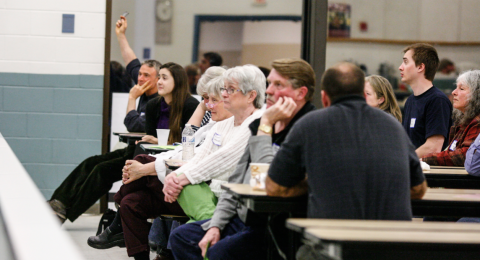
Photo by Ron St. Jean Photography.

Strong communities don't happen by chance. They’re built through intentional efforts to involve residents, create meaningful opportunities for participation, and ensure people feel heard and valued. Community engagement is more than hosting a meeting or sending out a survey. It’s about creating opportunities for people to be part of the conversation, to shape the future of their own communities while building the relationships, understanding, and shared ownership needed for lasting change.
Whether you're planning a public meeting, leading a community project, organizing a volunteer initiative, or guiding local decision-making, effective engagement helps build trust, strengthen relationships, and improve outcomes. The tips below can help you make your engagement efforts more meaningful and effective.
1. Define Your Purpose and Goals
Before launching any engagement effort, be clear about what you hope to accomplish. Well-defined goals provide direction, help guide decision-making, and ensure your activities are aligned with community needs and desired outcomes.
2. Know Your Audience
Effective engagement starts with understanding the people you hope to reach. Learn about community interests, priorities, and concerns so you can design activities that resonate with participants and address real needs. Engagement works best when it is done with communities rather than for them.
3. Build Partnerships That Broaden Your Reach
Collaborating with local organizations, businesses, schools, and civic groups can expand participation and strengthen credibility. Partnerships help connect with new audiences and bring additional resources and perspectives to the table.
4. Make Participation Easy
Even small obstacles can discourage participation. Reducing barriers through flexible scheduling, virtual options, childcare, transportation assistance, or simple registration processes makes it easier for more people to take part.
5. Communicate Clearly and Consistently
Clear communication helps people understand what is happening, why it matters, and how they can get involved. Consistent messaging before, during, and after engagement activities builds trust and keeps participants informed.
6. Create a Welcoming Environment
First impressions matter. A welcoming atmosphere helps participants feel comfortable sharing ideas, asking questions, and contributing to discussions. When people feel included, they are more likely to engage meaningfully.
7. Use a Trained Facilitator
Community conversations often involve diverse perspectives and complex issues. Skilled facilitators help keep discussions constructive, focused, and inclusive while ensuring all voices have an opportunity to be heard.
8. Gather Feedback and Evaluate Your Performance
Every engagement effort is an opportunity to learn. Collect participant feedback and reflect on what worked, what didn't, and how future efforts can improve. Continuous evaluation helps make engagement more responsive and effective over time.
9. Share Back What You Learn
Closing the loop is a critical part of engagement. Sharing summaries, findings, and key outcomes demonstrates transparency and shows participants that their input had value and influence.
10. Thank People and Celebrate Success
People are more likely to stay engaged when they feel appreciated. Recognizing contributions, acknowledging input, and expressing genuine gratitude help strengthen relationships and encourage continued involvement. Recognizing milestones and celebrating achievements helps maintain momentum, reinforces commitment, and reminds participants that their efforts make a difference.
These community engagement tips are informed by established best practices from the International Association for Public Participation (IAP2), the University of Kansas's Community Tool Box, the National Coalition for Dialogue & Deliberation (NCDD), and the National Civic League, and UNH Cooperative Extension. Together, these organizations promote community engagement approaches that strengthen participation, build trust, foster collaboration, and support informed community decision-making.
Author(s)


